My Website Is Slow to Use
A slow website leads to abandoned visits and lost business. Get in touch with the experts at Tao digital marketing to optimise your website performance today.
Nobody wants a slow website dragging them down. Not only is it frustrating, but it also has a tangible impact on your ability to market your business online.
According to Google, 53% of visits are likely to be abandoned if a page takes more than three seconds to load. In short, people don’t have the patience to wait around for your website to appear on their phone or laptop screens.
With that in mind, why could your website be slow to load, and what can you do about it?
Ways in which your website could be slow
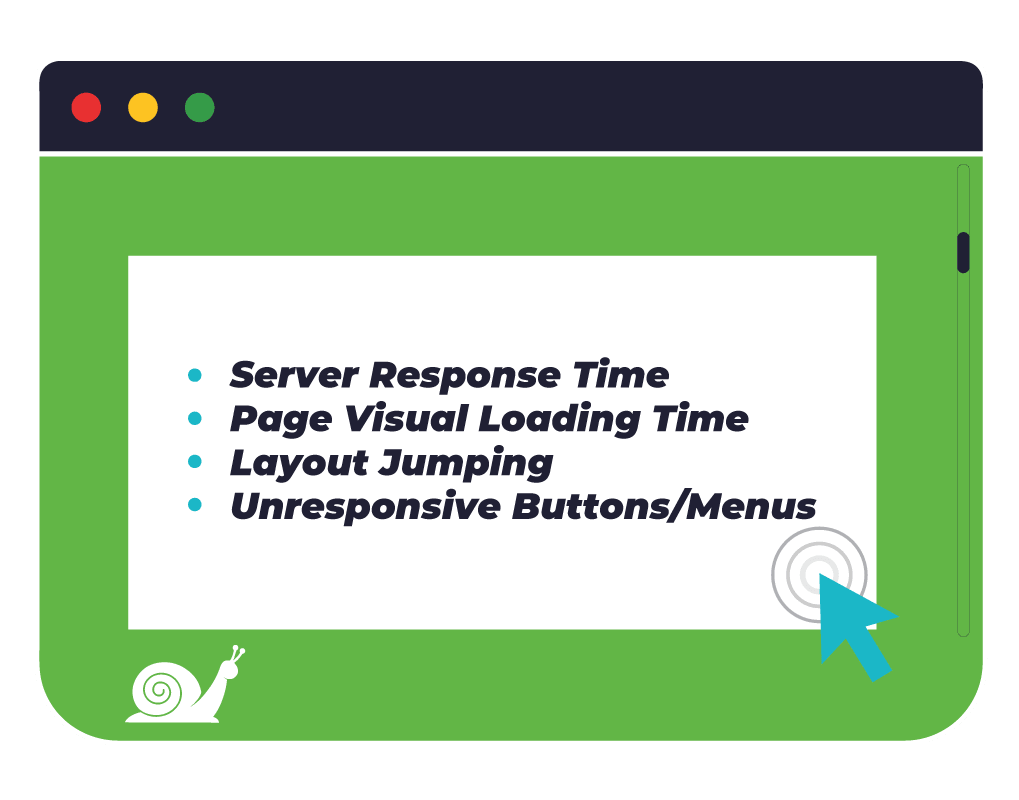
Firstly, what do people mean when they call a website “slow”? It’s not always what you think. Typically, there are four areas your website could be slow in:
1. Server Response Time – This is the classic problem where the browser sits blank. In short, your web host is taking too long to respond to browser requests, which is why nothing loads.
2. Page Visual Loading Time – This metric is defined as the time it takes for the largest visual element to appear on the screen. Essentially, it’s when you get a half-loaded screen, usually due to uncompressed images and un-optimised code.
3. Layout Jumping – The site loads quickly, but elements push the layout around as they load. This often happens because of missing dimension attributes, leading users to click the wrong thing.
4. Unresponsive Buttons/Menus – With this metric, you’re measuring how long it takes for menus and buttons to become interactive. The chief problem is that the JavaScript is taking too long to execute in the background. It can also happen when you’ve got too many third-party plugins.
It might sound like it’s not much of a big deal, but the evidence shows otherwise. Approximately 88% of UK adults admitted to abandoning an online purchase due to slow loading times.
How to know if your website is slow to load for users
Several methods exist for detecting whether your website is slow for your users. Rather than hoping for complaints to flood in, or making damaging assumptions, use tools that measure the user experience.
Google Search Console is your best friend here, with the Core Web Vitals tab showing you how many mobile and desktop users experienced slow loading speeds over the last 28 days. Additionally, there’s Google PageSpeed Insights that will tell you where and why your site is slow.
Just paste in a URL to get a performance score. According to Google PageSpeed Insights, scores of 90 or above are considered good, while scores below 50 are considered poor. Assume anything below 90 is hurting both your user experience and SEO efforts.
Common reasons why your website is slow or loads incorrectly
Slow-loading websites can arise for any number of reasons. Pinpointing the exact culprit, especially if there’s more than one, isn’t as straightforward as it might sound. Typically, there are three potential categories, including media and file size, server performance and architecture, code, plugins, and third-party bloat.
Here’s a breakdown of the most common reasons for laggard websites in each category.
Media and file size:
· Uncompressed images.
· Uncompressed videos.
· Not implementing lazy loading to process all visual elements at once.
· Multiple custom fonts.
· Large typography files.
Server performance and architecture:
· Cheap web hosting plans.
· Shared website hosting plans.
· Not using server caching.
· Failing to deploy a Content Delivery Network (CDN).
Code, plugins and third-party bloat:
· Excessive HTTP requests.
· Third-party scripts.
· Heavy ad networks.
· Outdated Content Management Systems (CMS).
· Bloated plugins.
· Unnecessary JavaScript and CSS on your site.
· Inefficient database queries.

The impact a slow website has on your business
Your online experience defines your future, even if you’re not an online-only business. First impressions count for everything, and leaving visitors frustrated will only lose you business. Collectively, businesses are estimated to lose up to £38 billion per year due to slow web experiences.
These losses come from:
· Purchase abandonment.
· Poor SEO visibility.
· Reduced engagement rates.
· Increased bounce rates.
· Damaged brand reputation.
In short, you can have the best product or service in the world, but if your website isn’t fulfilling customer expectations, none of it is going to matter. The problem for so many businesses is that they’re unaware of the issue, or believe it’s something else, such as keyword choices or content strategy.
The work we do to a slow site
The chances are you’re not a web development or an SEO expert. You’re busy running your business and serving your customers. Instead of leaving everything to chance, turn to the professionals at Tao Digital Marketing to help your website deliver a stellar user experience every time.
But what does transforming your sluggish website look like?
It all starts with conducting a bespoke audit into exactly what the problem is. Identifying speed bottlenecks, flawed architecture, and bloated code gives us vital information as to where the problem lies. We can then deploy a range of strategies to speed up your site, including:
· Managing a migration to a high-performance managed hosting solution.
· Conducting technical changes, including addressing large file sizes and render-blocking scripts.
· Rebuilding or refining your website using custom design frameworks.
· Compressing multimedia assets, like images and videos.
· Optimising the code that powers your website.
There’s no single button that you can press to supercharge a slow website. In many cases, it’s a combination of issues that’s slowing down your site. Sometimes, your site might have been fast but has slowed down over time due to general neglect.
The best way to find out why your site is slow and develop a tailored strategy to address it is to get in touch with the experts at Tao Digital Marketing. If you’d like to learn more about speeding up your website, contact us today.