16/12/2025
Matt Tomkin
How AI Search is Impacting the Insurance Industry
AI search is impacting the insurance industry drastically, but many of the optimisation methods remain the same. Learn more about increased visibility today.
AI has impacted every industry in various ways, and the insurance industry has been quick to adopt these tools into its workflows. Approximately 92% of insurance companies in the UK are using AI right now, with the majority having moved past the pilot project stage.
With so many insurance companies and brokers relying on aggressive SEO campaigns to drive traffic to their offerings, AI search is forcing change. Let’s look at just how AI search has transformed how insurers approach digital marketing, and what you can do to take full advantage.
Are people using AI search?
AI has become a worldwide phenomenon, with one survey finding that as many as 70% of UK respondents had consciously used an AI tool in their daily lives over the past six months. And despite these high numbers, the UK still lags behind the global average of 82%.
In terms of the search experience, AI has made tremendous inroads into what people are seeing. Roughly 30% of UK-specific AI searches show AI overviews, and 53% of adults said they saw these AI summaries often, even when they weren’t necessarily searching for them.
In short, yes, AI is firmly a part of the search experience, even if you’re using traditional Google search, rather than dedicated tools like ChatGPT or Perplexity.
How will AI search change how people look for insurance brokers?
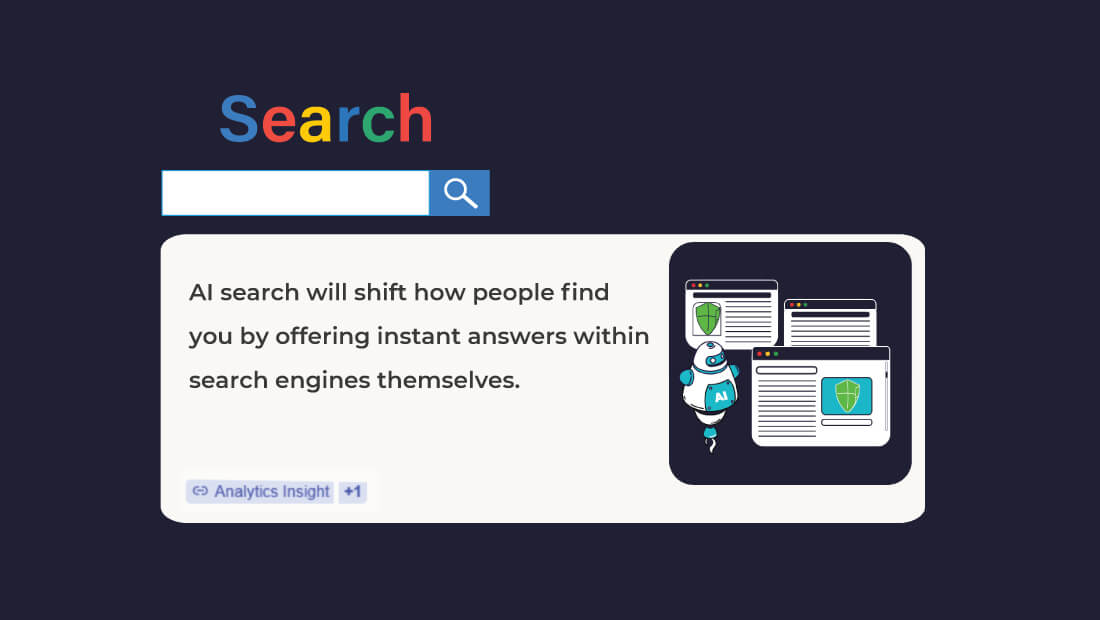
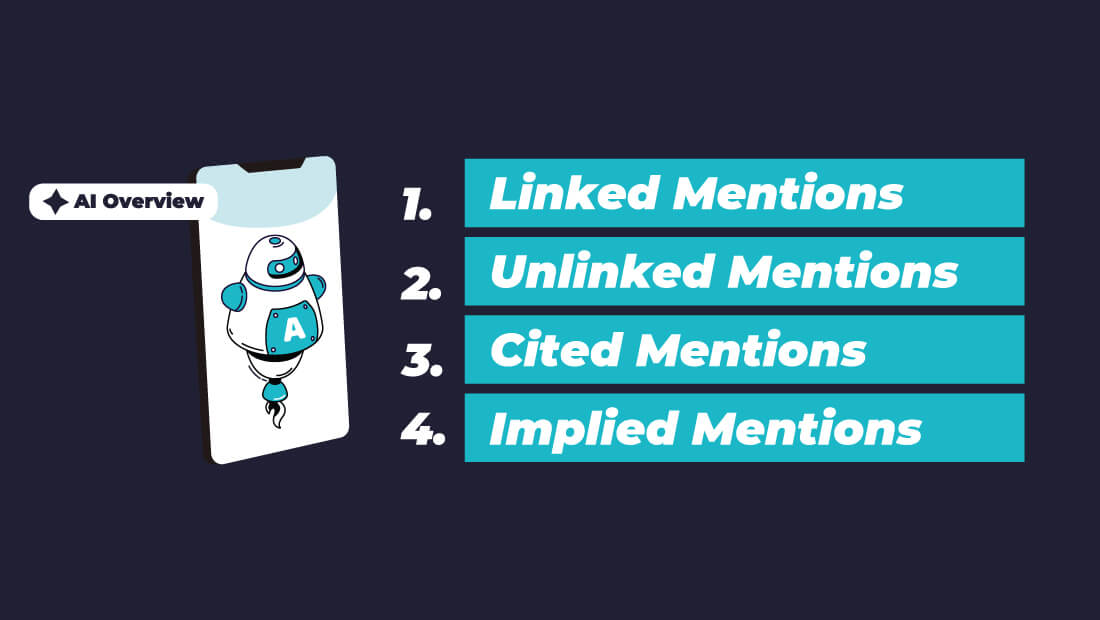
AI search will shift how people find you by offering instant answers within search engines themselves. In other words, these are the zero-click answers you might have heard of. Inevitably, this will and already has led to a decline in the number of clicks.
All industries have seen at least some decline in their click-through rates (CTR) since AI search came to the fore. According to one study, media publishers saw decreased CTR rates of up to 50% due to AI summaries.
What does this mean for you? Insurers and brokers must now go beyond providing basic information on their platforms in the pursuit of profitable SEO campaigns. Another key impact is that potential clients can get an instant education on issues like:
· Policy types
· Average rates
· Insurance claims processes
Essentially, this could bypass many of the interactions your broker would otherwise have with a prospective client via email, live chat, or video call. Instead, brokers will spend more of their time on later-stage conversations, where details and nuances are crucial for empowering clients to make the best decision for them.
On a side note, one aspect to bear in mind is that AI search continues to struggle with subjects involving hyper-local insights. Agents willing to deploy their own specific knowledge will have the potential to not only dominate local SEO but also encourage more in-depth interactions further down the sales pipeline.
SEO vs. GEO/AEO
The chances are you already know that traditional SEO involves using techniques like technical SEO, link building, and keyword optimisation to get your brand as highly ranked as possible on search engines like Google and Bing.
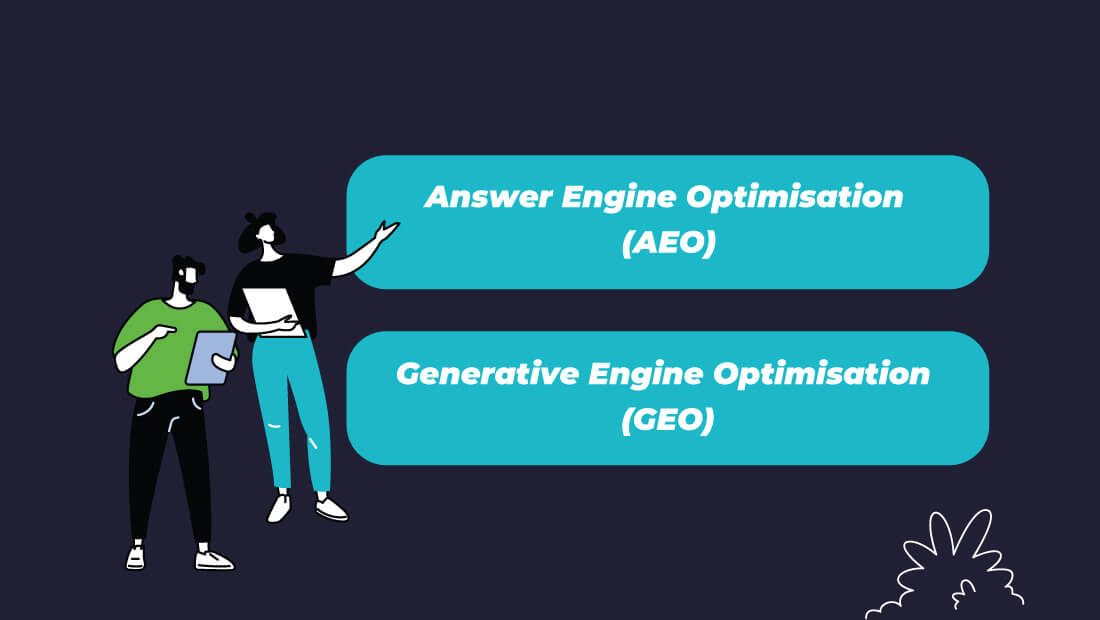
But Answer Engine Optimisation (AEO) and Generative Engine Optimisation (GEO) are muddying waters. Here’s how they figure into the AI search landscape:
· AEO – Structuring content that features in direct answers, including voice search and featured snippets. The goal is to provide immediate answers, risking reduced clicks but increased visibility.
· GEO – GEO is a trusted source for Large Language Models (LLMs). These provide answers with content drawn from high-quality, comprehensive sources. From an insurance perspective, GEO concentrates on ensuring that your information is powering these AI summaries.
Is there any reason to abandon SEO in favour of AEO and GEO? No, because AEO and GEO are a part of SEO. The easiest way to think about these two concepts is different strategies within the evolving world of SEO. The difference is that brand authority has never been more important in the AI search era.
How to ensure your brokerage features in AI search
AI search is an extension of traditional SEO. That’s why many of the tactics used to appear in AI-powered search engines will resemble the strategies you’re already using. Again, the same principles of building brand authority, writing conversationally, and creating expert content are in effect.
If you’re wondering what you can do right now, let’s split each strategy into different categories:
Insurance brokerage content
Content is still king. But what makes great content for AI search?
Ultimately, the problem can’t be diagnosed by assumptions. Marketers might think they know what the problem is, but you can only
On a side note, if you want to provide unique content that keeps users on the page after they click, consider utilising different formats. White papers, interactive platforms, and videos are usually safe from being harvested for AI summaries because they’re difficult for these tools to automate.
Technical optimisation for insurance brokers
Technical SEO is part and parcel of traditional SEO, and the same goes for AI search. In short, if you’re already doing things like Schema Markup, optimising for mobile and structuring your content using short paragraphs, bullet points, and descriptive headings, you’ve already covered this requirement.
Authority and visibility
Brand authority and demonstrating your activity across the online world have always mattered, but they take on a new level of importance for AI search.
Building your authority and trustworthiness isn’t just about creating fantastic content, but also about strong backlinks and consistent branding across different online touchpoints. Insurance brokers must also consider local SEO in their primary markets.
Local SEO isn’t purely about optimising for location-specific queries but producing content that’s genuinely relevant to that community.
You’ve likely already recognised similarities between optimising for traditional SEO and AI search. That’s why Tao Digital Marketing is here to take the strain and maximise every SEO pound spent. If you’d like to learn more about our AI search services, contact us now.